Tech News & Trends

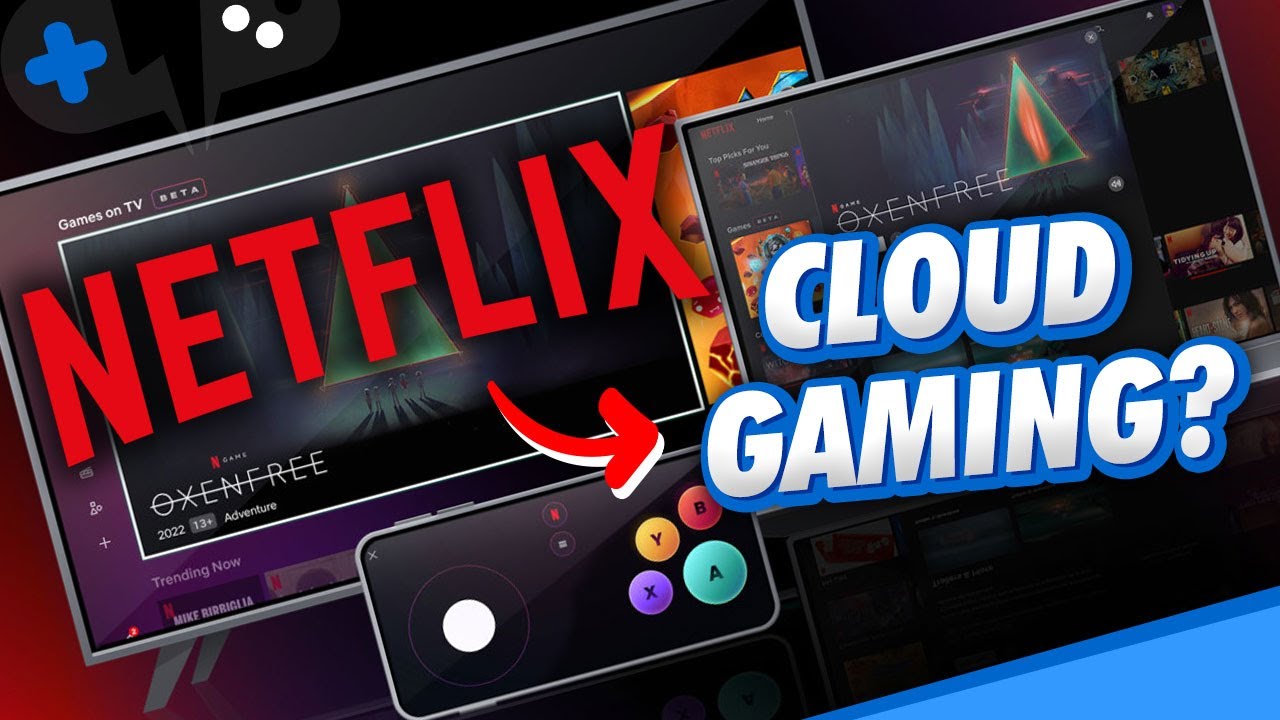
Cloud Gaming: The Netflix of Games

Cloud Gaming: The Netflix of Games

T

Tekopia

• 658 views
Cloud Gaming: The Netflix of Games

Cloud gaming is redefining the way people experience video games, breaking away from the traditional need for powerful consoles or high-end PCs. Instead of relying on expensive hardware, players can now stream games directly to their smartphones, tablets, or laptops, much like streaming a movie on Netflix. This shift is making gaming more accessible, affordable, and inclusive for audiences around the world.

1. How Cloud Gaming Works

  • Games are run on remote servers (the cloud) instead of local hardware.
  • The gameplay video stream is sent to your device, while your inputs (touch, controller, or keyboard) are sent back to the server.
  • This means the heavy processing is handled elsewhere, allowing even modest devices to play demanding titles.

2. Popular Cloud Gaming Platforms

  • Xbox Cloud Gaming (xCloud): Offers access to Xbox titles on phones, tablets, and browsers.
  • Google Stadia (before shutdown): Showed how AAA games could be streamed to virtually any device.
  • NVIDIA GeForce NOW: Lets players stream games they already own from platforms like Steam.
  • PlayStation Plus Premium (Cloud): Expands Sony’s library to more devices.

3. The Netflix of Gaming

  • Just as Netflix replaced the need to buy DVDs, cloud gaming removes the need for physical game discs or digital downloads.
  • Players can jump into a game instantly without waiting for downloads or updates.
  • Subscription models allow users to access large libraries of games for a monthly fee.

4. Benefits for Gamers

  • No expensive consoles: Play cutting-edge titles without investing in high-end gaming rigs.
  • Cross-device play: Start a game on your TV, continue on your phone, and finish on your laptop.
  • Instant updates: Games are always up to date since they’re managed on the cloud servers.
  • Accessibility: Expands gaming to users who previously couldn’t afford or justify buying consoles.

5. Opportunities for Developers

  • Wider reach: Mobile devices become powerful gateways to console-level gaming.
  • Lower entry barriers: Developers can reach more users without requiring specialized hardware.
  • New app possibilities: Companion apps, cloud-based game hubs, and innovative mobile experiences can be built around streaming platforms.

6. Challenges to Overcome

  • Latency: Even milliseconds of delay can disrupt gameplay, especially in competitive games.
  • Internet dependency: Requires fast, stable internet, which isn’t available everywhere.
  • Data consumption: High-quality game streaming can use several GBs per hour.
  • Adoption hurdles: Gamers accustomed to physical ownership or downloads may resist the shift.

7. The Future of Cloud Gaming

  • 5G + edge computing: Will reduce latency and make streaming smoother, even on mobile networks.
  • Broader adoption: As internet speeds improve globally, more players will embrace the model.
  • Hybrid models: Some platforms may offer both downloads and streaming for flexibility.
  • Industry shift: Cloud gaming could ultimately redefine gaming distribution the way streaming reshaped film and TV.

✅ Key Takeaway:

Cloud gaming is more than a trend—it’s a paradigm shift in the gaming industry. By removing the dependency on expensive hardware, it opens the door for millions of new players and creates fresh opportunities for developers. While technical challenges remain, advancements in 5G and cloud technology are quickly paving the way for a future where gaming is truly anywhere, anytime, on any device.

Additional Resources

Visit External Resource

Tags