Tech News & Trends

How Wearable Tech is Changing Mobile Experiences?

How Wearable Tech is Changing Mobile Experiences?

T

Tekopia

• 310 views
How Wearable Tech is Changing Mobile Experiences?

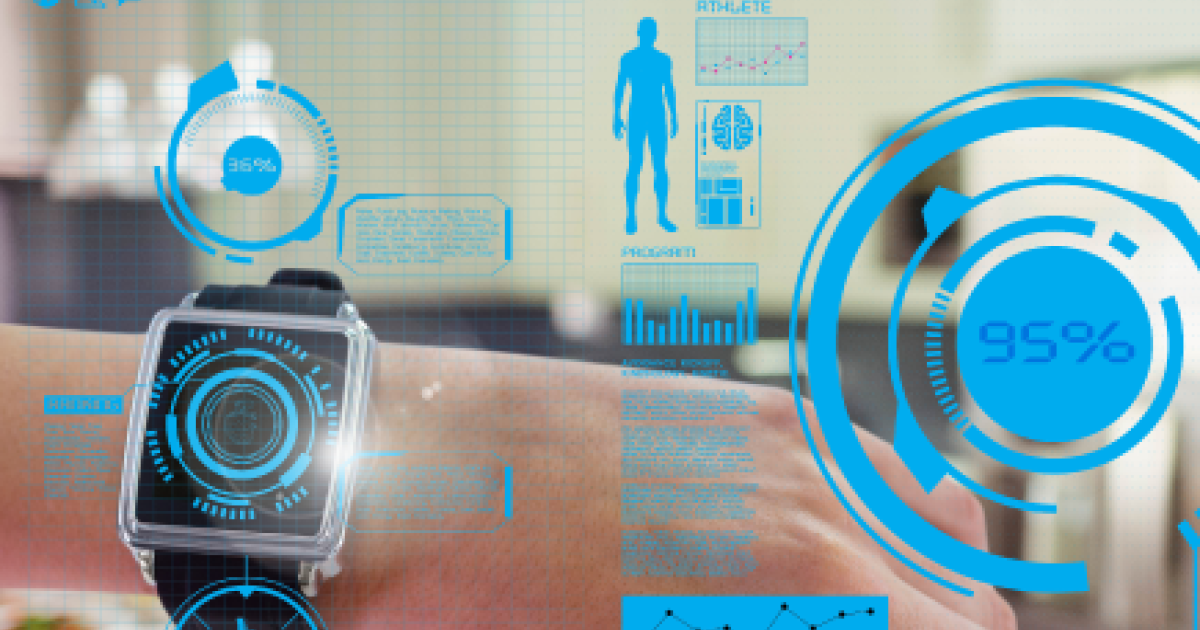
Wearable technology is transforming the way we interact with apps, creating a seamless connection between our bodies, our daily routines, and the digital world. Devices such as smartwatches, fitness bands, and even smart rings are no longer just accessories—they’ve become powerful companions that extend the capabilities of smartphones and apps in exciting ways.

1. Health & Fitness Integration

  • Real-time health tracking: Wearables continuously monitor metrics like heart rate, steps, blood oxygen, and calories burned.
  • Sleep analysis: Fitness bands provide detailed insights into sleep cycles and rest quality, helping users build healthier habits.
  • Workout tracking: Apps connected to wearables log activities such as running, swimming, or cycling with accurate distance and performance stats.
  • Preventive care: Medical apps can detect irregularities (like abnormal heart rhythms) and notify users before issues escalate.

2. Medical & Healthcare Applications

  • Remote monitoring: Doctors can access wearable data to track patients outside clinical settings.
  • Early alerts: Wearables integrated with medical apps can send emergency notifications in case of falls, irregular heartbeats, or oxygen drops.
  • Chronic disease management: Tools for diabetes, blood pressure, and stress monitoring make treatment more proactive.

3. Productivity & Everyday Convenience

  • Instant notifications: Smartwatches display emails, texts, and reminders, reducing the need to check your phone constantly.
  • Voice commands: Built-in assistants allow quick replies, call handling, or task management directly from your wrist.
  • Calendar sync: Meeting alerts and schedules are accessible at a glance, keeping professionals on track.

4. Payments & Security

  • Contactless payments: Integrated apps like Apple Pay, Google Wallet, or Samsung Pay enable fast and secure wrist-based transactions.
  • Authentication: Some wearables provide biometric verification, adding an extra layer of security for apps and accounts.
  • Access control: Smart bands can be used to unlock cars, doors, or laptops securely.

5. The Growing App Ecosystem

  • Cross-platform synergy: Mobile apps now sync seamlessly with wearables, ensuring data flows both ways.
  • Custom apps for wearables: Developers are designing lightweight, optimized apps for smaller screens.
  • IoT integration: Wearables are connecting with smart homes, enabling control of lights, thermostats, and appliances from your wrist.

6. The Future of Wearables

  • Smarter sensors: Future devices will capture more advanced health data, such as hydration or blood pressure without cuffs.
  • AI-powered insights: Combining wearable data with AI will offer hyper-personalized recommendations.
  • Miniaturization: Smaller, less intrusive designs (smart rings, earbuds) will expand wearable adoption.
  • Stronger ecosystems: Wearables will become central hubs in the Internet of Things (IoT), linking seamlessly with smartphones, AR glasses, and even cars.

✅ Key Takeaway:

Wearables are no longer just fitness gadgets—they are central to the future of mobile apps and digital ecosystems. From health monitoring and productivity to payments and smart home control, these devices are redefining convenience and connectivity. For users, it means more control at a glance; for developers, it opens endless opportunities to create innovative, cross-device experiences.

Additional Resources

Visit External Resource

Tags